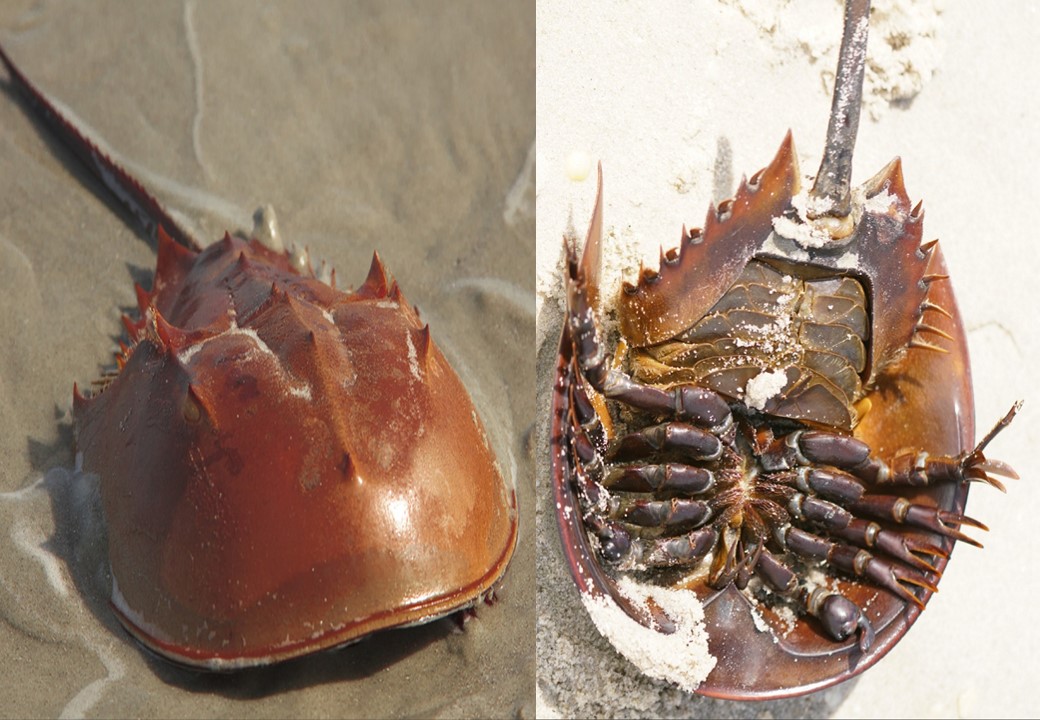
The horseshoe crab, a "living fossil," has survived for 450 million years. Its sky-blue blood, containing a vital clotting agent, is crucial for detecting bacterial toxins in medical products. However, its blood extraction endangers its population. Despite efforts to find alternatives, horseshoe crab blood remains the standard for toxin testing.
Category: Brain
Stone Baby
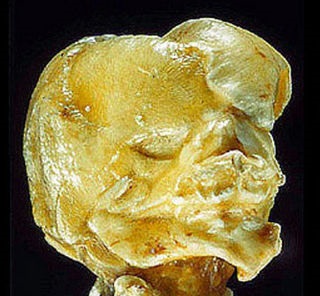
The phenomenon of lithopaedion, or stone baby, occurs when a fetus implants and grows outside the uterus. The dead tissue is calcified inside the mother's body, turning it into a stone. This extremely rare occurrence poses a risk of infection. While medical advancements have reduced such cases, it's a testament to our body's ability to adapt and the mysteries within us.
Fingerprinting Criminals
DNA fingerprinting revolutionized criminal investigations by enabling the identification of perpetrators through genetic evidence. Initially met with skepticism, it has become a gold standard in forensic sciences, with over 70 countries establishing DNA databases. The technology's rapid evolution underscores its profound impact.
Octo-Mom
A team of researchers from Monterey Bay Aquarium Research Institute discovered a female octopus, later named ‘Octo-mom’, brooding her eggs for an astonishing 53 months, marking the longest known brooding period for any animal. This extraordinary feat raises questions about the survival mechanisms and conditions in the deep sea.
Why is Sleeping Important?
Sleep plays a vital role in physical and emotional well-being, with our internal clock regulating the release of chemicals like melatonin. Inadequate sleep can lead to health issues, affecting attention, memory, and decision-making. Monitoring sleep patterns is key for improved daily performance.
Seeing is Believing. NOT!
The brain processes external stimuli through sight, sound, smell, taste, and touch, with vision playing a dominant yet faulty role. Our memory is not stored in a specific brain space, and gaps are filled based on experience and environment. Our perception is shaped by limited brain functionality, leading to illusions and biases.
Eureka Moment v/s Delayed Gratification
The journey to success is not about instant breakthroughs, but rather about consistent effort and delayed gratification. Stories of instant success can mislead us into expecting immediate results from drastic changes. Instead, we should focus on small, consistent steps and value delayed rewards, as true success is built over time.
Cope and Hope
Humans have developed stress response for survival, activating adrenaline and energy when facing danger. But chronic stress harms mental and physical health. Coping mechanisms like venting frustration, predictability, control, and social contact help reduce stress. Recognizing and addressing high stress levels is crucial for well-being and a balanced life.
Evolution: Instincts, Emotions, and Logical Thinking
The evolution of the brain spans millions of years, shaping our instincts, emotions, and rational thinking. Despite our pride in logic, our decisions are often driven by intuition. The amalgamation of these elements defines our humanity, and embracing them can lead to unexpected progress.